Start with access and floor sensitivity
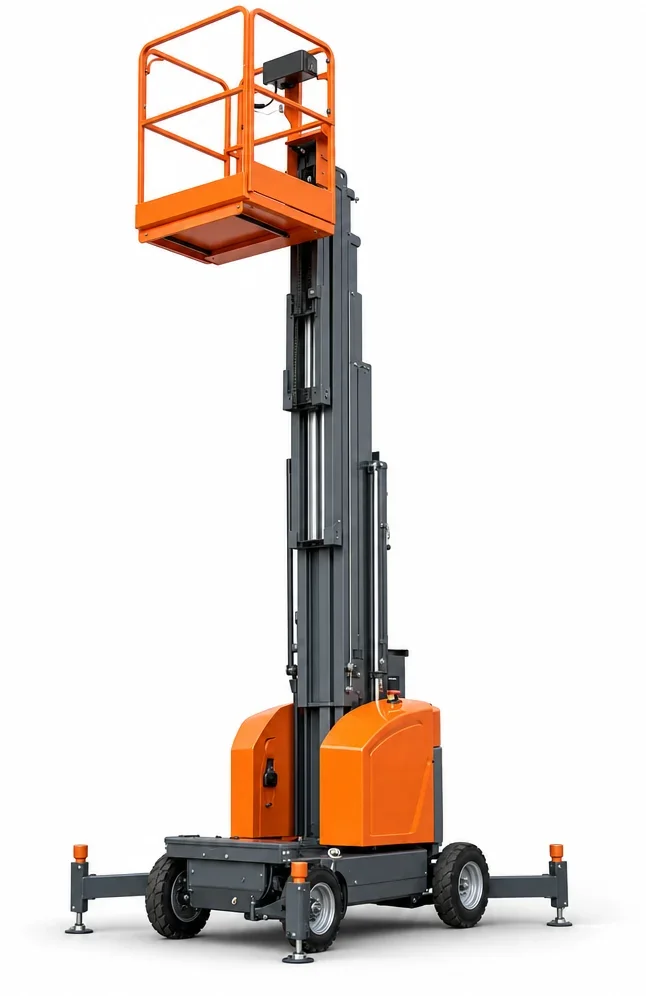
If the machine must pass through doorways, ride elevators, or work on finished floors, a mast lift’s narrow chassis and low overall weight are advantages. Non-marking tires and electric drive align with indoor air and flooring priorities common across local healthcare and academic settings.
Local conditions that shape the decision
- Humid weather and tracked-in grit: Non-marking tires and clean-wheel designs help reduce scuffs on polished concrete and tile.
- Mixed surfaces: Routes may include ramps and thresholds between lobbies and service corridors; confirm approach angles and platform height needs at each stop.
- Crowded ceilings: Lights, sprinklers, and ductwork can limit basket positioning; a mast lift’s precise up-down motion is efficient when the task is directly overhead.
Spec points to verify
- Platform height and working envelope relative to ceiling elevations.
- Stowed width and length for doorways and elevator cabs.
- Weight versus floor load limits on mezzanines or raised access floors.
When another lift is better
- Tasks offset behind obstacles or requiring lateral outreach call for /articulating-boom-lift-rental/.
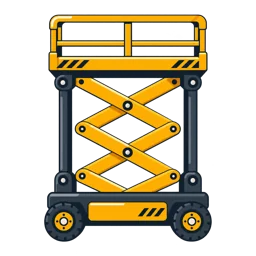
- Wider, straight-up slab work with two-person platforms can favor /electric-scissor-lift-rental/ under /aerial-lift-rental/.
- Exterior work on uneven ground suggests /rough-terrain-scissor-lift-rental/ or /telescopic-boom-lift-rental/ depending on reach.
Planning checklist
- Map the exact travel path: door sizes, elevator ratings, and turning spaces.
- List sensitive finishes along the route and any quiet-hour requirements.
- Note ceiling obstructions and required platform height at each location.
Related categories
- /aerial-lift-rental/
- /electric-scissor-lift-rental/
- /articulating-boom-lift-rental/