Define the route before the rating
Walk the path from truck or laydown to final position. Note dock height, ramps, thresholds, and any outdoor segments. A truck that excels on a smooth slab can struggle on pavers, wet aprons, or sandy connectors common across the area’s mixed-use sites.
Local factors that influence forklift choice
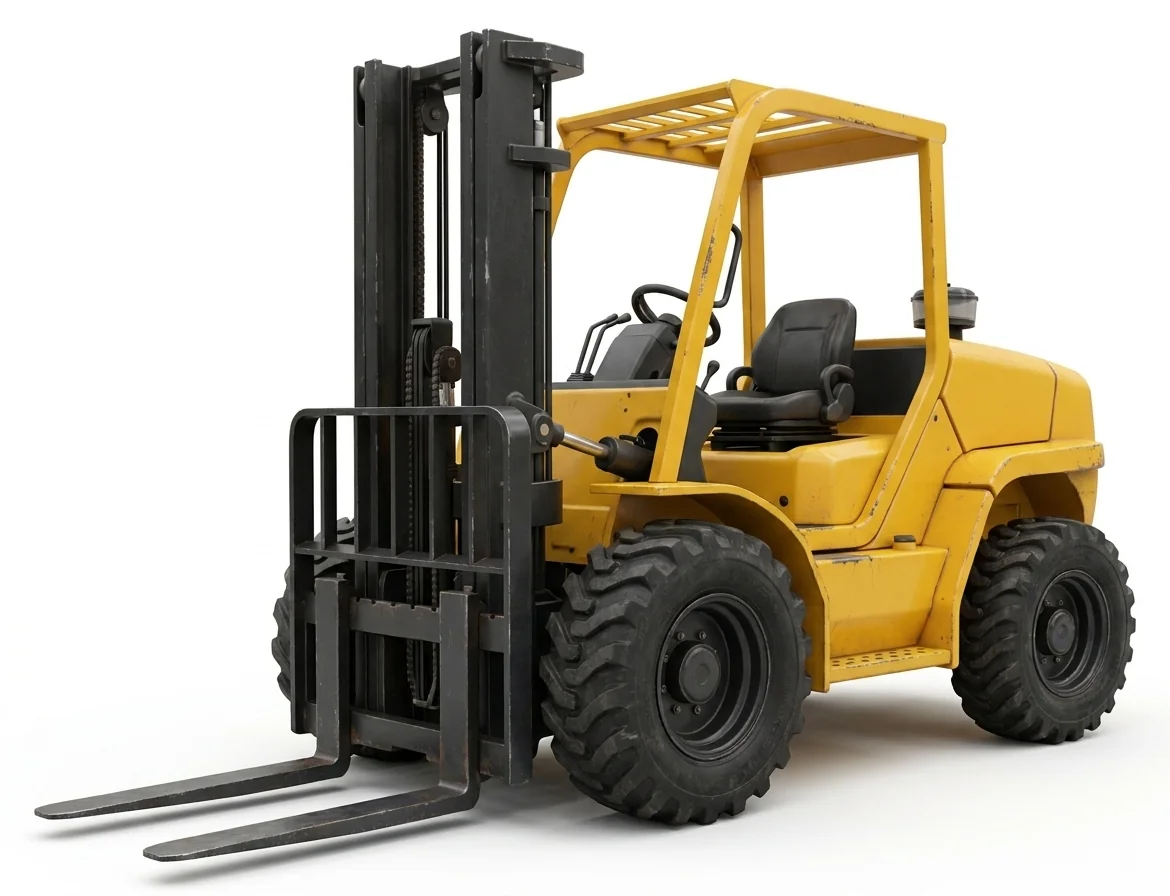
- Humid subtropical weather: Afternoon rain leaves dock approaches slick. Cushion-tire indoor trucks suit dry, finished floors; pneumatic-tire units handle exterior segments and uneven patches better.
- Sensitive interiors: In healthcare and academic spaces, low-emission electric units with non-marking tires help protect indoor air and flooring.
- Rolling terrain: Mild grades between buildings can affect gradeability and stopping distances. Verify slopes along the route.
Spec and layout considerations
- Capacity at load center: Confirm the pallet size or equipment dimensions and any overhang that shifts the center.
- Aisle width and turning radius: Narrow aisles may call for reach or stand-up trucks; wide aisles permit sit-down counters. Measure rack spacing and intersections.
- Mast height vs. ceiling and doors: Check lowered height for entries and full lift for top beam placements or mezzanines.
When a different machine makes more sense
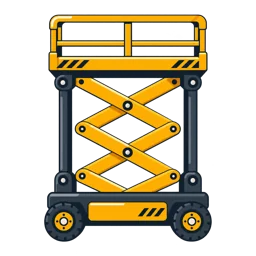
- Elevated personnel access without heavy loads: /vertical-mast-lift-rental/ or /electric-scissor-lift-rental/.
- Outdoor placement over obstacles or fencing: /telehandler-rental/.
- Exterior façade work needing long outreach: /boom-lift-rental/.
Planning checklist
- Confirm battery charging or propane storage policies for your facility.
- Map every pinch point: dock doors, strip curtains, bollards, and column lines.
- Note floor condition changes from polished slab to exterior apron and gravel.
Related categories
- /storage-containers-rental/
- /generators-light-towers-rental/
- /aerial-lift-rental/