Surface and stability come first
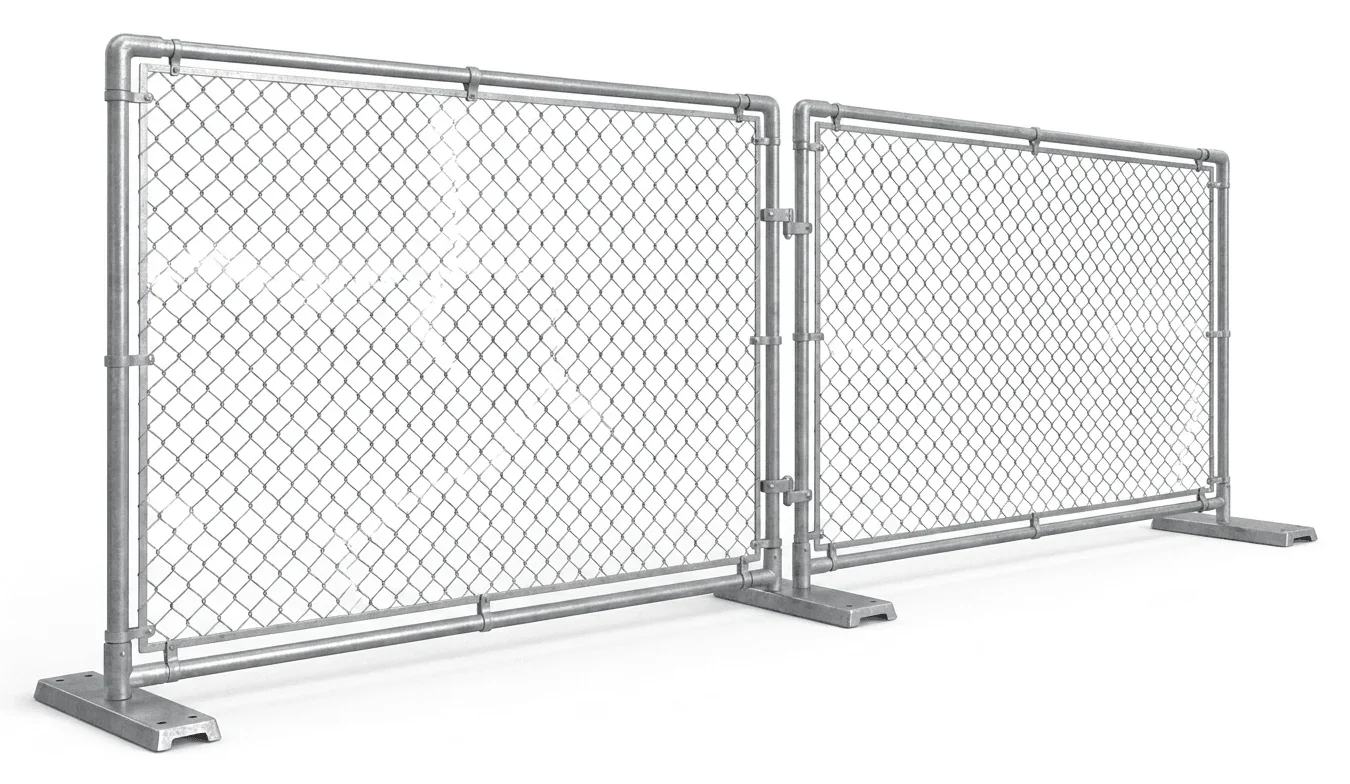
Panel stability depends on base contact with the ground. Sandy, well‑drained soils common around industrial and civic work can shift under narrow bases, especially after rain. On paved sections, heavier bases help resist movement from crowds or equipment turns. Plan for level transitions where panels cross from pavement to soil.
Questions to frame the layout: - Does the fence sit below the work with clear stand-off from lifts and forklifts? - Are there grade changes or soft shoulders along the line? - Where do service vehicles enter without crossing pedestrian routes?
Openings and routes near occupied facilities
Around active healthcare and academic areas, daytime foot traffic is steady. Gate locations should separate public paths from equipment staging while keeping emergency routes clear. Barricades with high visibility help mark short-term detours during facade or lighting work; see /aerial-lift-rental/ and /boom-lift-rental/ when elevated tasks share the zone.
Weather and wind in a humid subtropical climate
Afternoon storms arrive fast, bringing gusts and pooled water. Heavier bases, bracing, and drainage-aware layouts help panels resist movement. Avoid channeling runoff toward entrances by stepping the line along contours instead of forcing straight runs across low spots.
Integrating with site equipment
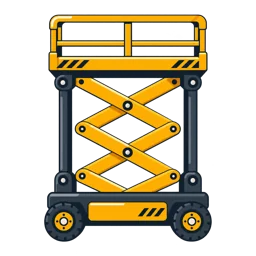
If scissor lifts or telehandlers operate inside the fence, turning radii dictate panel offsets at corners. For sandy or uneven construction pads, rough-terrain access equipment influences lane width; see /rough-terrain-scissor-lift-rental/ and /telehandler-rental/ for geometry that informs drive aisles.
Gainesville-specific considerations
- Mixed surfaces around local distribution and civic projects mean sections of fence may need different base strategies.
- Frequent deliveries and public events require gates that swing clear without fouling on soft ground after storms.
Explore related categories at /products/ or get in touch via /contact/.